
I’m a nutritionist – this is what I eat when I’m stressed
- Jo Williams
Published: November 24, 2026 at 4:52 PM
loading...
Get 5 months for £5 when you subscribe today
When you're stressed, make it as easy as possible to keep fuelling your body well
When life gets busy, stressful days can mean healthy eating slips. It’s a familiar pattern: a busy diary, looming deadlines and a never-ending list of things to do means meals are compromised or skipped entirely.
Ad
Stress has a funny way of changing how we eat. Some people find they lose their appetite, while others experience stronger cravings for high-sugar or high-fat foods. Research backs this up: one study found those who released more of the stress hormone cortisol during a task went on to consume more calories and more sweet foods than those with a lower response.
As a nutritionist, I know that what you eat plays an important role in supporting your mood, energy levels and overall wellbeing. Here’s what I try to eat during stressful periods in order to give myself the nutrients, energy and stable blood sugar levels from breakfast through to bedtime.
Breakfast
On stressful mornings, it’s common to skip breakfast and survive on coffee. However, hunger and stress are a bad combination (no one wants to get ‘hangry’) and so starting the day with a nourishing breakfast can help provide the energy and nutrients you need.
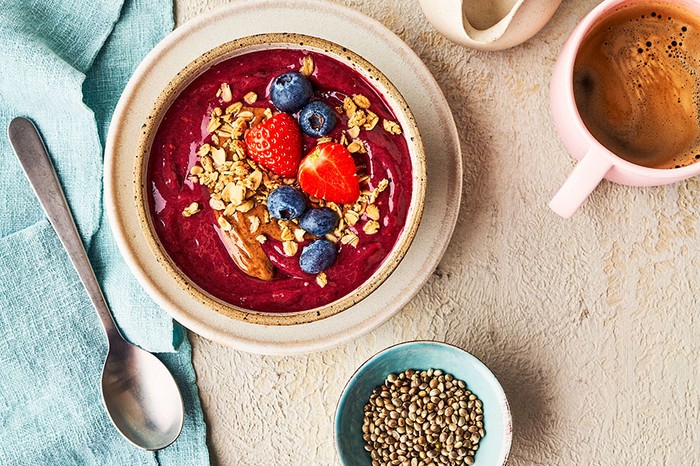
My go-to breakfast combines protein with slow-release carbohydrates so I’m not running on empty by 10 am. My favourites are porridge made with milk and topped with Greek yogurt, berries and a spoonful of nut butter, or eggs on wholegrain toast with avocado. Oats are a source of complex carbohydrates and fibre, which help provide a more sustained release of energy. Adding milk or Greek yogurt provides protein, while nuts and seeds contribute healthy unsaturated fats, magnesium and other important micronutrients.
I particularly like adding pumpkin seeds, as these provide magnesium, a mineral involved in the nervous system and psychological function. Magnesium is sometimes referred to as the 'relaxation mineral', although it's important to remember that eating magnesium-rich foods won't immediately eliminate feelings of stress.
Berries are another great addition. They're rich in vitamin C and polyphenols, including antioxidant compounds that help protect cells from oxidative stress. Sometimes I make a smoothie with yogurt, frozen berries and a handful of oats for a quick on-the-go option.
The key is to build a breakfast that contains a combination of protein, fibre and healthy fats, rather than relying on refined carbohydrates alone. This can help you feel fuller for longer and avoid a slump mid-morning.
Lunch
Lunch is often the first thing to skip when you’re busy, but going for hours without eating can leave you feeling tired, irritable and struggling to concentrate.
I try to choose something balanced and substantial, such as salmon and quinoa (or brown rice) with leafy greens, avocado, tomatoes, cucumber and a dressing.
Salmon is a source of omega-3 fatty acids, specifically EPA and DHA. These are important for normal brain function, and research has explored their potential role in mental health and mood. Although eating salmon isn't a treatment for stress, including oily fish regularly is a good way to support overall health.
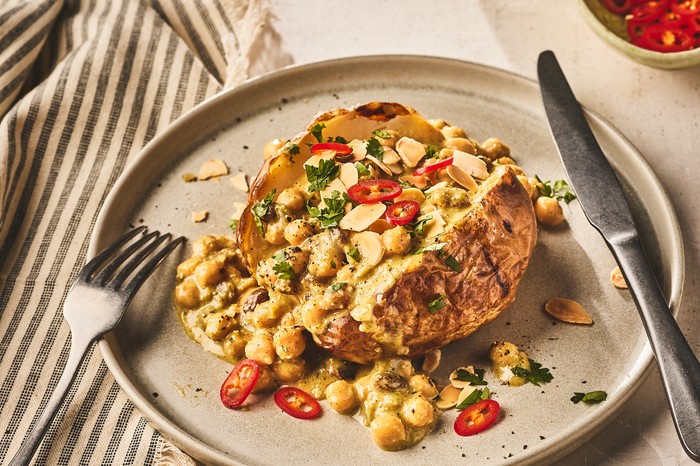
Don’t overcomplicate things – you don't need to have an elaborate meal to nourish yourself properly, so you can still eat well if you're short of time. A wholemeal chicken and hummus wrap, lentil soup with wholegrain bread or a jacket potato with tuna and salad would all be excellent. Tinned fish and microwaveable rice or grains would make preparation quick and easy if that’s what’s needed.
Snacks
Mid-afternoon is often when resolve is lowest and the coffee and chocolate start calling. There's nothing wrong with enjoying these foods, and there's no need to avoid them completely. However, if you're relying on sugar and caffeine to keep your energy levels up, you might find that they don't keep you satisfied for very long, and this can leave you feeling irritable.
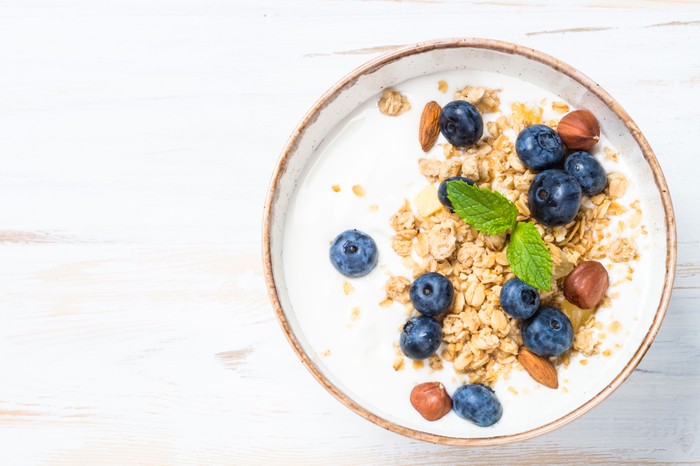
I try to choose snacks that combine protein, fibre or healthy fats. Greek yogurt with walnuts and a little honey is a favourite, as is an apple with peanut butter or a handful of almonds and piece of fruit. They are all satisfying without the crash.
Nuts are a good choice, because they provide a combination of protein, fibre and unsaturated fats. They're also a source of magnesium.
It's worth being mindful of how much caffeine you're having. An afternoon coffee might feel like the answer when you're flagging, but it could affect your ability to fall asleep later. I stick to one or two coffees before lunch, then switch to decaf or herbal tea, which helps my sleep, too.
Evening meal
By the evening, I want a meal that's nourishing, satisfying and relatively easy to prepare. Stressful days aren't the time to put unnecessary pressure on yourself to cook something complicated. One of my favourite options is a chicken and vegetable stir-fry with brown rice. I include plenty of colourful vegetables, such as broccoli, peppers, carrots and pak choi, alongside a source of protein.
Alternatively, a chickpea and sweet potato curry with spinach is a great option. Chickpeas provide fibre and plant protein, while spinach contributes folate and magnesium.
I generally try to include a variety of plant foods throughout the week. Vegetables, fruit, wholegrains, legumes, nuts and seeds provide fibre and a diverse range of nutrients. Fibre is particularly important for gut health, and there's growing interest in the relationship between the gut microbiome and mental wellbeing.

Before bed
The final part of my routine is about winding down and giving myself the best chance of a good night's sleep.
Sleep and stress are closely connected. When we're stressed, it can be harder to switch off, while insufficient sleep can make us feel less able to cope with everyday challenges.
I try to avoid heavy meals immediately before bed, but I also wouldn't go to bed hungry. If I've had an early dinner and feel hungry later, I'll have something light, such as a banana with a little nut butter or natural yogurt.
Bananas provide carbohydrates and potassium, while yogurt offers protein. Neither is a magic sleep food, but both can make a satisfying evening snack.
A caffeine-free herbal tea, such as camomile, is another nice addition to my evening routine. The ritual of making a warm drink can be a useful signal to slow down, even if the evidence for specific herbal teas improving sleep is mixed.
I also avoid using alcohol as a way to unwind. Although it might initially make you feel sleepy, it can disrupt sleep quality and leave you feeling less refreshed the following morning.

Can food really help when you're stressed?
It's important to be realistic. No individual food or supplement can remove the source of your stress, and nutrition shouldn't be presented as a replacement for professional support when you're struggling with your mental health.
However, a balanced diet can help support the body during periods of increased stress. Your body still needs adequate energy, protein, healthy fats, vitamins and minerals to function normally. Nutrients such as magnesium, B vitamins, vitamin C, iron and omega-3 fatty acids all have important roles in normal bodily and brain function.
My biggest piece of advice is to focus on consistency rather than perfection. Eat regular meals, include a variety of nutrient-rich foods, stay hydrated and be mindful of excessive caffeine. And, don't feel guilty if you occasionally reach for convenience food or something sweet.
Ad
More nutritionist guides
I'm a nutritionist and this is what I eat to support my immune system
I'm a nutritionist and this is what I eat to avoid the afternoon slump
I'm a nutritionist and this is what I eat to lower cholesterol
I'm a nutritionist and this is what I eat for a healthy gut
Forget fresh: the 6 healthy foods nutritionists recommend you buy frozen, canned or jarred
Think you need more protein? These are the foods a nutritionist actually recommends
Authors
Jo Williams
Comments, questions and tips
Choose the type of message you'd like to post
Choose the type of message you'd like to post
CommentQuestionTip
Ad
Ad
Loading...
Ad
Loading...
Want to see this content?
This page contains olivemagazine content provided by Google reCAPTCHA. We ask for your permission before anything is loaded, as Google reCAPTCHA may use cookies and other technologies. To view this content, choose 'Accept and continue' to allow Google reCAPTCHA and its required purposes.
Accept and continue