Your body's overlooked defence system – and why doctors say you should pay attention
- Kat Storr
Published: November 24, 2026 at 4:54 PM
loading...
Get 5 months for £5 when you subscribe today
There's a lot more to your body than you might realise
When we think about protecting ourselves from illness or other health problems, we probably consider our immune systems first. However, there’s one very busy system working away inside our bodies that a lot of us rarely give a second thought to, or even understand. Our lymphatic system is a network of glands, tissues and organs which helps us fight infection and drains excess fluid out of our blood vessels.
Ad
You’ve probably heard of your lymphatic system being talked about, as the wellness trend for lymphatic drainage becomes more popular. But there’s a lot more to this system than just making you look a little puffy.
What is the lymphatic system?
NHS GP, menopause specialist and clinician at Voy Menopause, Dr Deepali Misra-Sharp explains that lymph is the fluid which “leaks out of our blood vessels into our tissues every day, a couple of litres or so, and returns it to the bloodstream”. It contains water, nutrients and immune cells called lymphocytes, plus waste materials which pass out of our bodies in urine. The lymph is carried around our body in small tubes called lymph vessels which have lymph nodes at various intervals along them. The lymph then reaches the two primary lymphatic ducts which drain it into our circulatory system where it moves through our body in our veins as part of plasma.
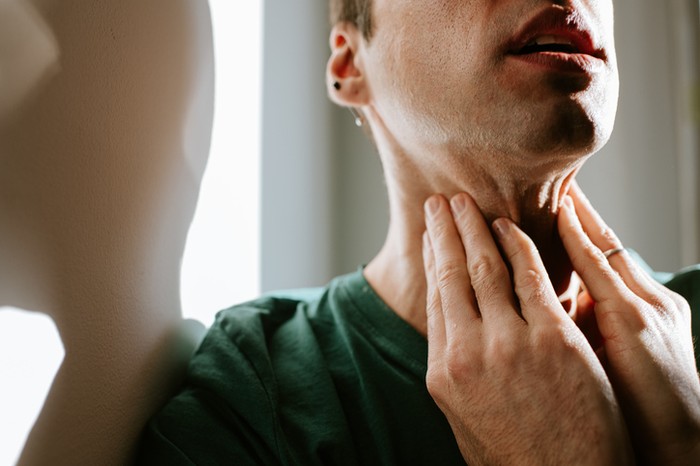
The job of our lymph nodes is to filter out harmful organisms and abnormal cells from the lymph before they enter our bloodstream and make us ill. You’ve probably felt your lymph nodes grow larger in your neck, groin and armpits when you’re ill with an infection like a sore throat or earache. They can also become large if they have cancer cells in them.
What happens if there are problems with your lymphatic system?
Our lymphatic system relies on us staying active and moving regularly so the lymph fluid can move effectively around our bodies. If our muscles and breathing movements don’t transport it around our body then lymph can build up in some areas, such as our legs. Dr Misra-Sharp says “our lymphatics also get a bit sluggish as we get older, and being less mobile, having varicose veins or heart problems all add to it”.
One health condition associated with a poor functioning lymphatic system is lymphoedema. There are two types of this condition; primary and secondary lymphoedema. Primary lymphoedema is caused by a problem with the development of your lymphatic system and it may be diagnosed in childhood or early adulthood. Secondary lymphoedema is caused by problems with your lymphatic system. This could be due to a number of factors such as obesity, cancer and its treatment, surgery, trauma and lack of physical activity. Dr Misra-Sharp says it can affect women who’ve had breast cancer and have had their lymph nodes removed and undergone radiotherapy treatment.
Dr Misra-Sharp highlights another condition called lipoedema. This is an “almost entirely a female condition, and it tends to show up or get worse around puberty, pregnancy or menopause, so hormones clearly play a part”, she explains.
The menopause specialist says she sees a lot of perimenopausal women in her clinic who say they “feel puffy, their rings are tight, or their legs have changed shape and they can’t work out why”. She explains that these symptoms could be due to hormones but it can also be undiagnosed lipoedema. According to the NHS, lipoedema affects your bottom, upper thighs, lower legs and upper arms but not your hands or feet. “The affected skin feels soft and cool and may be dimpled with an ‘orange peel’ texture,” its website says. The cause of lipoedema is not clear, but as Dr Misra-Sharp says above, it could be due to hormone changes. It’s not caused by being overweight.
Book an appointment to see your GP if you suspect you have lipoedema because treatment, such as compression therapy and others, are available which can help. Dr Misra-Sharp says it’s always worth speaking to a doctor if you have symptoms because they could be an indication of the skin infection cellulitis and, more rarely, lymphoma, a cancer of the lymphatic system.
How can we keep our lymphatic system healthy?
Dr Misra-Sharp says looking after this important part of our body “isn’t complicated”. Here are some habits to focus on:
- Stay hydrated because lymph is mostly water.
- Maintain a healthy weight with a balanced diet.
- Avoid sitting for long periods of time. Make sure you get up and move every 45-60 minutes.
- Try self-massage or dry body brushing and always work towards your heart, suggests lymphatic drainage specialist Nisha Masson.
- Use your breath. “Diaphragmatic breathing is one of the most effective natural lymph pumps,” explains Masson.

What is lymphatic drainage?
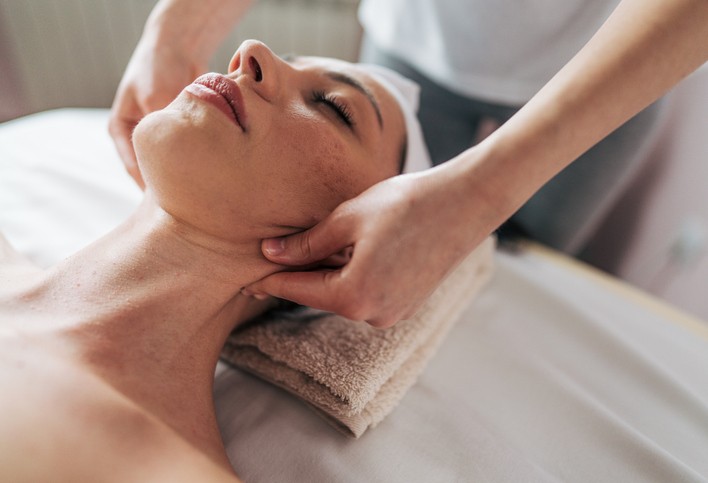
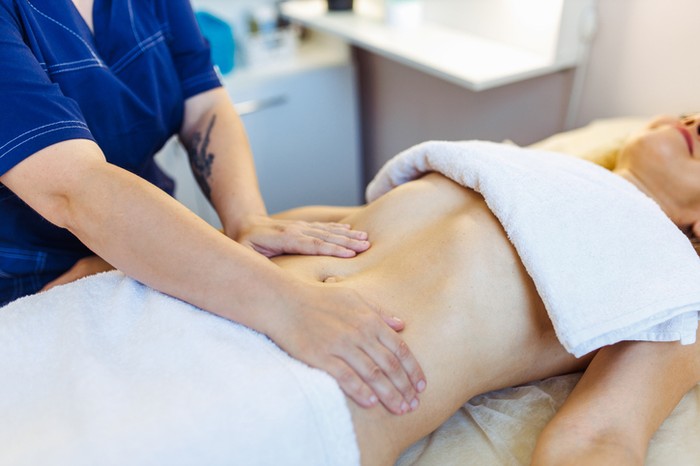
Another way to make sure your lymph is flowing properly is through lymphatic drainage, as mentioned above. Masson explains that the treatment uses “slow, light, rhythmic strokes that follow the direction of lymph flow towards the lymph nodes”. Masson says this is very different to deep tissue massage because it’s done at a much gentler pace and focuses on areas such as the abdomen, face and legs which are typically most affected. “Clients usually notice reduced puffiness and a lighter feeling straight away,” she says.
However, lymphatic drainage is rarely used as a standalone cure for health problems because once this system has been damaged, it’s more about managing symptoms than eradicating them completely. And lymphatic drainage treatment should be avoided if you have a history of blood clots, DVT, heart or kidney disease and cellulitis. As always, speak to a medical professional if you have any questions.
‘Lymphatic detox’ is a trend which is also being promoted on wellness sites and social media but Dr Misra-Sharp says she’s “not convinced”. ‘Fixes’ could include products such as teas or supplements which claim to help cleanse the system. “There's very little evidence they do anything for a healthy person,” she says. Instead, we should rely on our body to cleanse itself or seek professional medical advice. “If you've got swelling in one arm or leg that you can't explain, or a lump that hasn't gone after a few weeks, especially with night sweats or weight loss, go and get it checked with your GP,” she says.
Ad
More health and wellbeing guides
Women are more likely to be lower in these 4 nutrients. Here’s what you need to eat to avoid a deficiency
6 nutrients you're probably not getting enough of – and the foods that can fix it
The 6 principles of no-nonsense nutrition
The expert lowdown on vagus nerve stimulation and how to make it work for you
Authors
Kat Storr
Comments, questions and tips
Choose the type of message you'd like to post
Choose the type of message you'd like to post
CommentQuestionTip
Ad
Ad
Loading...
Ad
Loading...
Want to see this content?
This page contains olivemagazine content provided by Google reCAPTCHA. We ask for your permission before anything is loaded, as Google reCAPTCHA may use cookies and other technologies. To view this content, choose 'Accept and continue' to allow Google reCAPTCHA and its required purposes.
Accept and continue