- Home
- Wellbeing
- Why do I feel exhausted after a big meal? This is what is really happening to your body
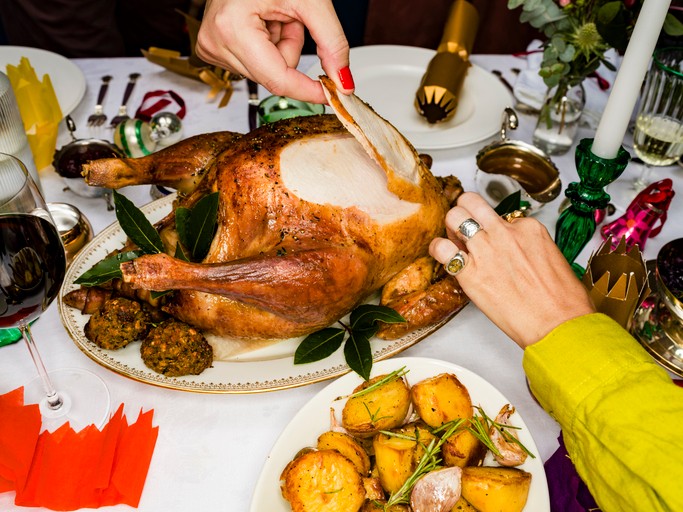
Why do I feel exhausted after a big meal? This is what is really happening to your body
- Lucy Gornall
Published: November 26, 2026 at 4:50 PM
loading...
Get 5 months for £5 when you subscribe today
Keep your energy up this Christmas and find out how to beat the food coma
You’ve probably experienced that heavy, full feeling after a huge meal. It often comes with an urge to just slump on the sofa and snooze – AKA a 'food coma'.
Ad
But with the season of festive feasting and overindulgence here, this tired feeling will likely become more prevalent as we tuck into large plates of food and spend our day grazing on picky bits, chocolates, cheese and all the delicious Christmas treats.
“This is sometimes referred to as postprandial somnolence and although there isn't really one single explanation for why it happens, we know that larger meals are more likely to leave you feeling tired and sluggish,” says Rob Hobson, nutritionist and author of Unprocess Your Life.
But, what’s really happening in your body when you eat? And how can you avoid the exhaustion that hits after?
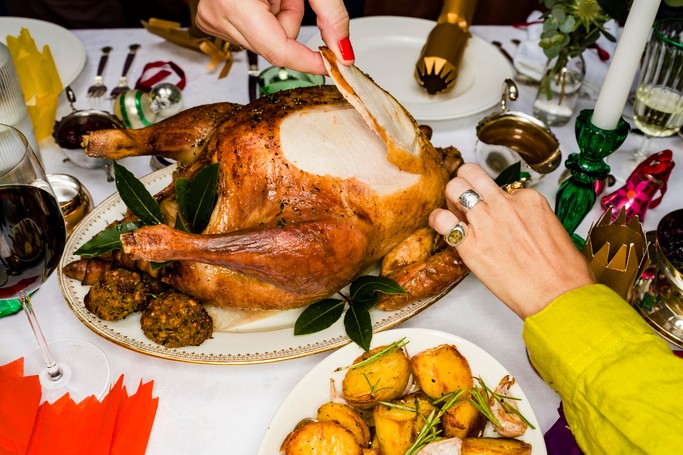
“Digesting a large meal is real work for the body and your gut releases a whole cascade of hormones to manage it,” adds Lola Biggs, Nutritionist at supplement brand Together Health.
“One of these – cholecystokinin – is released mainly in response to fat and protein, and studies have linked it to feeling sleepier and less alert in the hours after a rich meal. At the same time, the rise in blood sugar after eating appears to quieten the brain cells that make orexin, a chemical messenger that helps keep us awake and alert.”
These processes may play a part in post-meal sleepiness, but the exact mechanisms aren't fully understood – as Rob adds, "the normal rise in blood sugar after eating doesn't necessarily cause an energy crash."
The timing of your food intake will have an impact as well. For example, on the big day itself, many of us eat our Christmas dinner in the early afternoon, which coincides with a natural dip in alertness linked to our body clock.
“Research shows a carbohydrate-heavy meal tends to deepen this dip,” says Lola. “Christmas dinner usually lands right in that window. Add a glass or two of fizz, a late night on Christmas Eve and a warm, cosy room, and it's no surprise so many of us are dozing before the King's speech.”
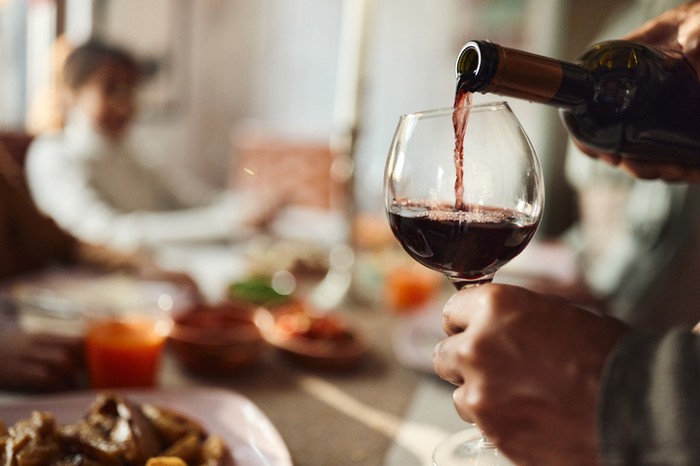
You may have heard about turkey being a sleep-inducer and it often gets the blame for post-Christmas dinner sleepiness.
“This is because it contains tryptophan, an amino acid used to produce serotonin and melatonin, which are involved in regulating sleep. But actually, turkey doesn't contain unusually high amounts compared with other protein-rich foods, and there's little evidence that eating turkey itself is responsible for making you sleepy,” says Rob.
Instead, it's often the carbohydrates on your plate, such as potatoes and stuffing, that nudge up the levels of tryptophan.
To stay alert this silly season, follow these expert tips and enjoy your feast without the doziness that follows…
How to avoid post-meal exhaustion this Christmas
Take a stroll after lunch
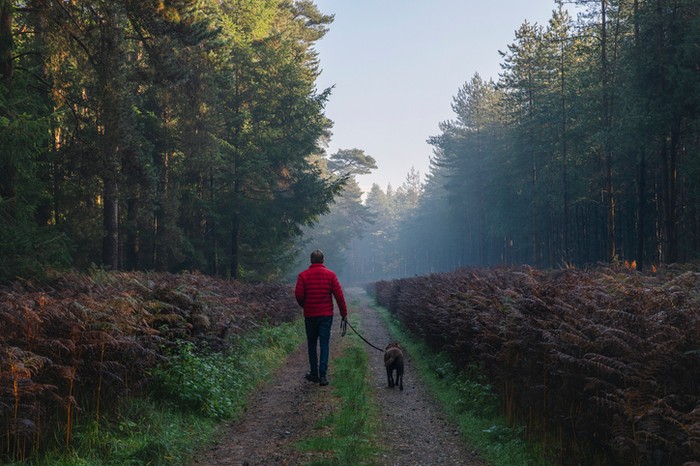
If the weather allows, then a short walk after your Christmas feasting could help to shake off the food coma.
“Just a 10 to 15-minute walk can help because physical activity encourages your muscles to take up glucose from the bloodstream, helping to moderate the rise in blood sugar after a meal. It’s a simple healthy habit that supports normal glucose regulation,” says Rob.
“Getting outside and moving around may also help you feel more alert, rather than spending the whole afternoon sitting on the sofa.”
Your walk doesn’t need to be strenuous or fast; just a stroll around the block can help. And let’s be honest, when you’re feeling stuffed from food, the last thing you want to do is intense exercise.
“If you can get outside while it's still light, even better, as early research suggests daylight can help the brain feel more alert in the afternoon,” adds Lola.
Spread your meal out
Eating a very large meal to the point of feeling uncomfortably full, can leave you feeling sluggish. So instead of going straight into dessert, which could leave you feeling even more tired, try pacing yourself.
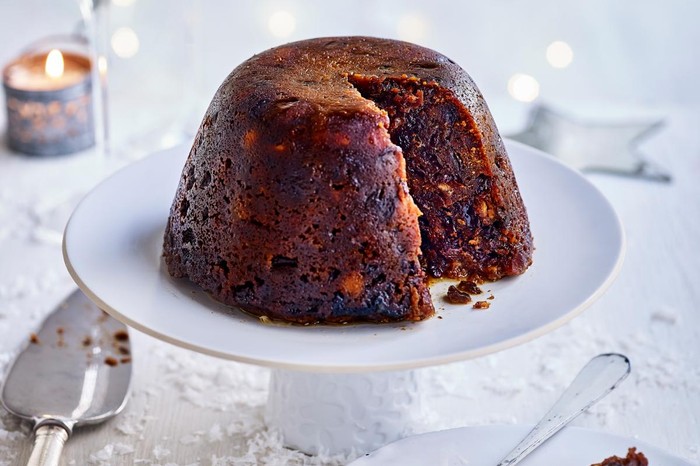
Leave some time between courses rather than eating everything in one sitting – "you could have your Christmas pudding a little later in the afternoon (after your walk!),” says Rob.
“Plus, eating more slowly can also help you recognise when you're comfortably full, so you can still enjoy all your favourite foods without feeling completely stuffed and tired afterwards.”
Go easy on the eggnog
It’s tempting to drink another glass of bubbles or sip on another festive cocktail, but if you’re trying to stay awake, then it’s worth watching how much you drink.
“Alcohol has a sedative effect on the brain, so drinking throughout the afternoon can add to feelings of tiredness after a large meal,” says Rob. “It's also easy to start drinking earlier than usual on Christmas Day, especially if you're having a glass of something while preparing lunch.”
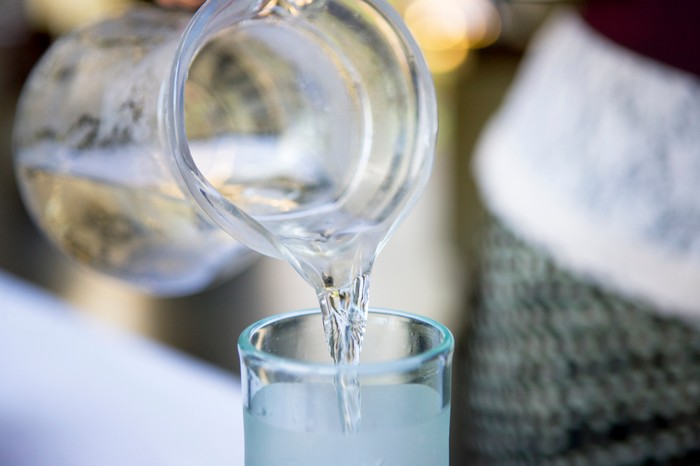
This can make you sleepier, sooner. Instead, Rob recommends alternating each alcoholic drink with water or a soft drink and avoiding drinking too much before eating.
“Staying hydrated can also help prevent dehydration from adding to how tired you feel.”
Fill your plate wisely
The size and make-up of your plate can impact your sleepiness.
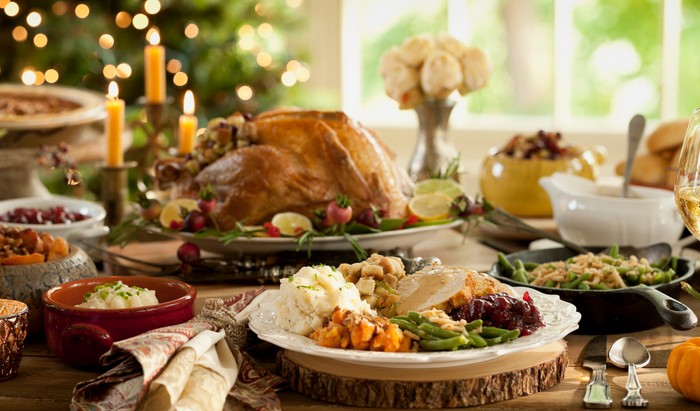
“A very large portion that's rich in fat and refined carbohydrates is the combination most likely to leave you flagging: think pigs in blankets, buttery roast potatoes, stuffing, creamy sauces and then Christmas pudding with brandy butter,” explains Lola.
To swerve that sleepy feeling, Lola recommends filling half your plate with vegetables first. “Sprouts, red cabbage, carrots and parsnips bring fibre, which helps slow how quickly sugar reaches your bloodstream.”
“Keep turkey (or other meat) as your protein anchor, have a few roast potatoes rather than a mountain, choose a good gravy over creamy sauces and go for a smaller slice of pudding with natural yogurt instead of brandy butter, or a couple of clementines and a square of dark chocolate.”
Eat in the right order
When you’ve piled the food on your plate, consider the order in which you eat your food as it could impact how tired you feel afterwards.
“Start with the vegetables and turkey before moving on to the potatoes and stuffing,” advises Lola.
“Studies on food order have found that eating vegetables and protein before starchy carbohydrates such as potatoes, leads to a noticeably gentler rise in blood sugar and insulin.”
Hungry for more? Take a five minute pause before going back for seconds as you may be more satisfied than you thought.
Ad
More nutrition guides
I'm a nutritionist and this is what I eat to avoid the afternoon slump
I'm a nutritionist and this is what I eat to lower cholesterol
I'm a nutritionist and this is what I eat for a healthy gut
Forget fresh: the 6 healthy foods nutritionists recommend you buy frozen, canned or jarred
Think you need more protein? These are the foods a nutritionist actually recommends
Authors
Lucy Gornall
Comments, questions and tips
Choose the type of message you'd like to post
Choose the type of message you'd like to post
CommentQuestionTip
Ad
Ad
Loading...
Ad
Loading...
Want to see this content?
This page contains olivemagazine content provided by Google reCAPTCHA. We ask for your permission before anything is loaded, as Google reCAPTCHA may use cookies and other technologies. To view this content, choose 'Accept and continue' to allow Google reCAPTCHA and its required purposes.
Accept and continue