- Home
- Wellbeing
- The £1 and under foods that dietitians say MUST be in your shopping trolley this winter
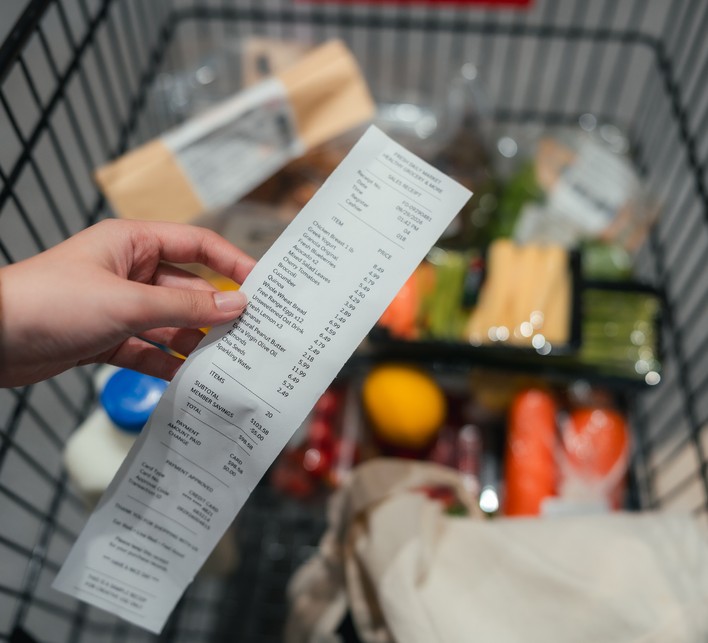
The £1 and under foods that dietitians say MUST be in your shopping trolley this winter
- Lucy Gornall
Published: November 26, 2026 at 4:49 PM
loading...
Get 5 months for £5 when you subscribe today
How to eat well, without necessarily having to spend a fortune
Healthy eating often gets accused of being unaffordable, but you can eat very healthily on a budget without having to splash out on pricey 'superfoods'.
Ad
In fact, some of the most nutritious foods are also the most affordable, according to Nichola Ludlam-Raine, dietitian and author of How Not To Eat Ultra Processed.
It will come as welcome news to many of us, who have seen a steady rise in the weekly food bill as the cost of food and general living slowly increases.
“Tinned, frozen and dried foods can be just as nutritious as fresh alternatives too, often costing considerably less and lasting much longer, which also helps reduce food waste,” says Nichola.
“You really don’t need to spend a fortune to eat a balanced, nourishing diet – focus on everyday staples that provide fibre, protein, vitamins and minerals, rather than spending more on products marketed as ‘healthy’.”
With the below foods, you can even get change from £1!
9 budget foods dietitians say should be in your basket
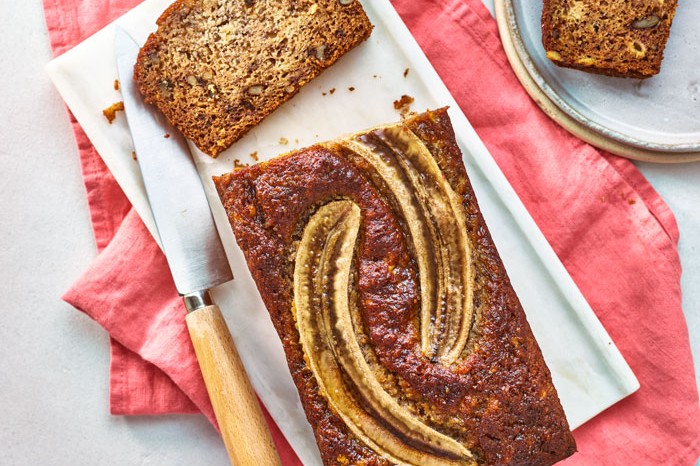
Bananas
This sweet fruit is affordable and convenient, while packing in essential nutrients such as potassium and fibre.
“Potassium helps regulate blood pressure by counteracting some of the effects of sodium (salt). It's also essential for normal muscle and nerve function,” says Nichola.
Bananas are particularly great for providing energy before exercise thanks to quick digesting carbs for fast fuel. Buy your bananas while they’re still tinged with green and you’ll be doing your gut some good too. “These contain more resistant starch, which acts as a prebiotic, helping nourish beneficial gut bacteria,” adds Nichola.
Slice onto porridge, blend into smoothies, mash into pancakes or freeze and then whisk into homemade banana ice cream – we've got over 60 banana recipes for you to try.
Bananas gone soft? Don’t waste them; instead, use them for baking.
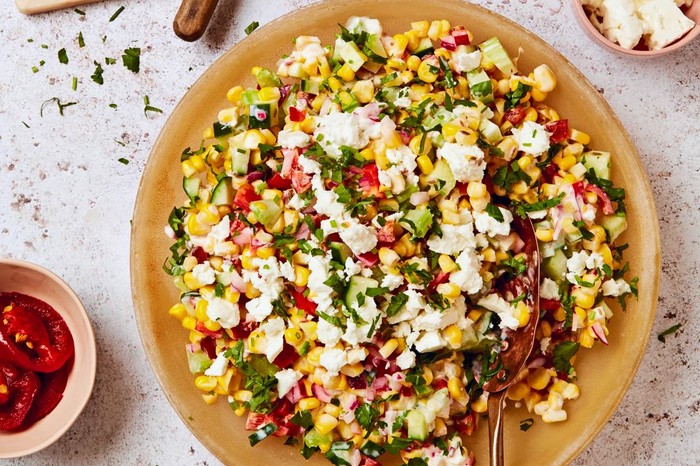
Tinned sweetcorn
Most supermarket own-brand varieties of tinned cost around 50p, making this an affordable cupboard stable.
“Sweetcorn provides fibre and contributes towards your five-a-day,” says Ro Huntriss, consultant dietitian and founder of Fertility Dietitian UK.
“Keeping a tin in the cupboard makes it incredibly easy to add an extra portion of vegetables to meals, whether that's pasta salads, homemade pizzas, soups or jacket potatoes.” Check out our best sweetcorn recipes for salads, soups, salsas and more.
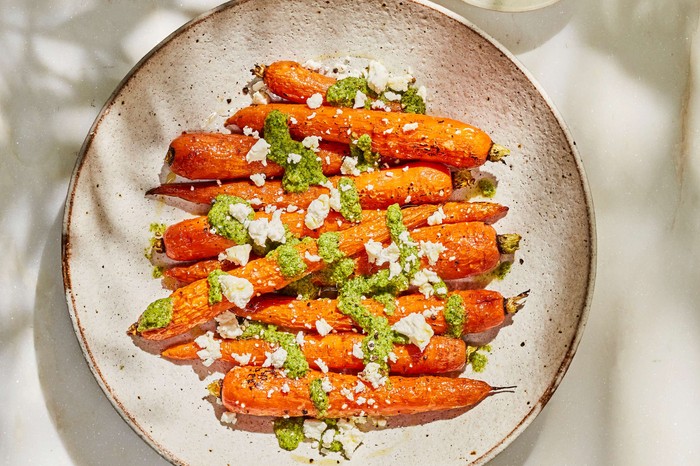
Carrots
Whether you eat them raw, steamed, boiled, fried or roasted, a bag of carrots will rarely cost more than £1. Plus, they could help keep your immune system strong during the colder months.
“Carrots are rich in beta-carotene, which the body converts into vitamin A to support normal vision, immune function and healthy skin,” says Nichola. “They also provide fibre and are naturally sweet, making them particularly appealing to children.”
Cooking carrots with some fat can help improve how well your body absorbs the beta-carotene. Try roasting with some olive oil. Browse our carrot recipes for all the orange inspiration you need.
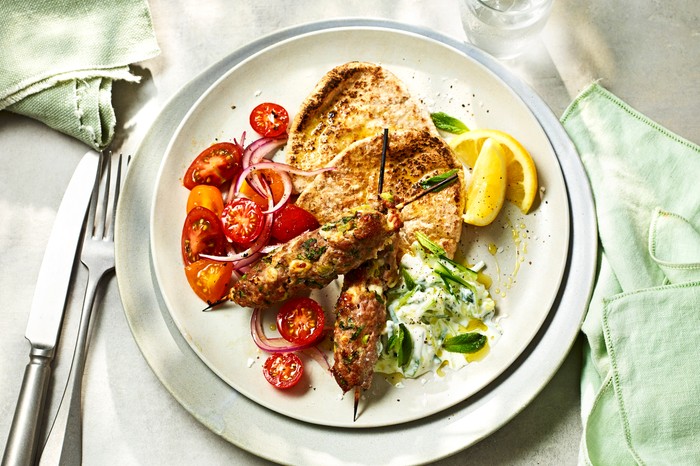
Wholemeal pitta
A pack of six wholemeal pittas typically cost between 50 and 65p. Unlike a lot of loaves of bread, pittas tend to have relatively few ingredients.
“Wholemeal pittas are a convenient and affordable source of carbohydrate and fibre, which helps support digestive health and keeps us feeling full,” says Nichola.
By choosing wholemeal, you’ll also get additional nutrients, including B vitamins and magnesium, which together, help turn your food into energy.
Nichola suggests filling pittas with hummus, chicken, tuna or falafel alongside some salad for a balanced lunch. “Or toast and slice them into wedges to serve with homemade dips.”
Oats
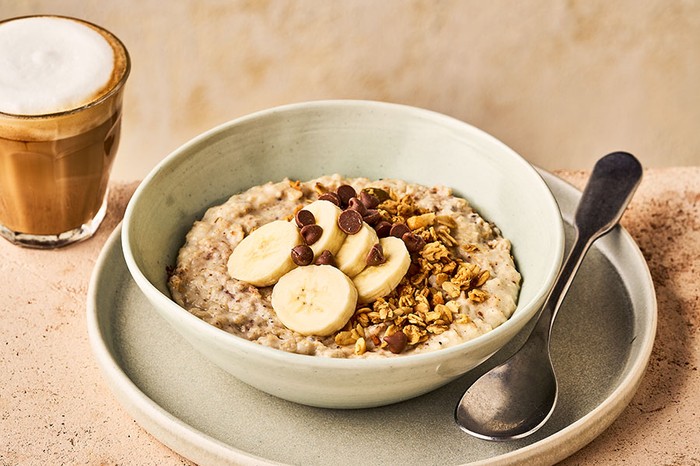
A bowl of porridge on a chilly winter’s morning is a great way to set up your day. Plus, it could support your heart health, too.
“Oats are a fantastic source of beta-glucan, a type of soluble fibre shown to help lower cholesterol when consumed regularly,” says Nichola.
A research review in the European Food Safety Authority Journal found that at least 3g of oat beta-glucan daily showed a significant reduction in LDL cholesterol, which means eating around 75g of dry oats. Top your oats with some fruit, nuts and Greek yogurt for a more filling breakfast.
Cottage cheese
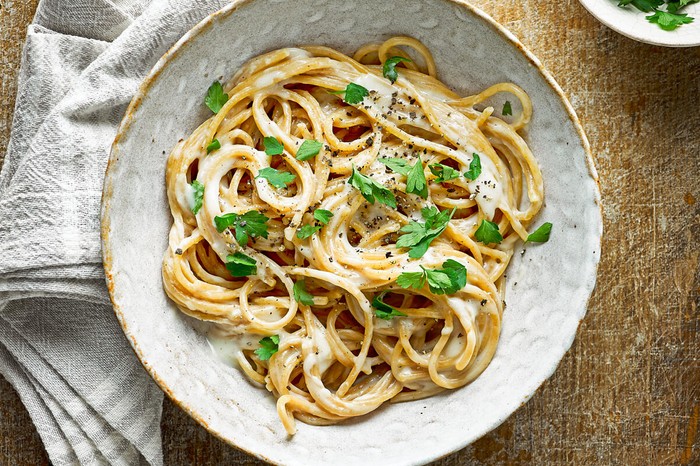
It’s become a viral food on social media, and for good reason, because cottage cheese is an underrated yet affordable source of protein.
“A 150g serving provides around 15 to 20g of protein, which contributes to the maintenance of muscle,” says Ro. “It's also a source of calcium to help with normal bones and teeth. Cottage cheese is incredibly versatile, too. Try it on toast, as a jacket potato topping or blended into pasta sauces for an easy protein boost” – like our easy cottage cheese spaghetti, ready in 15 minutes.
Chopped tomatoes
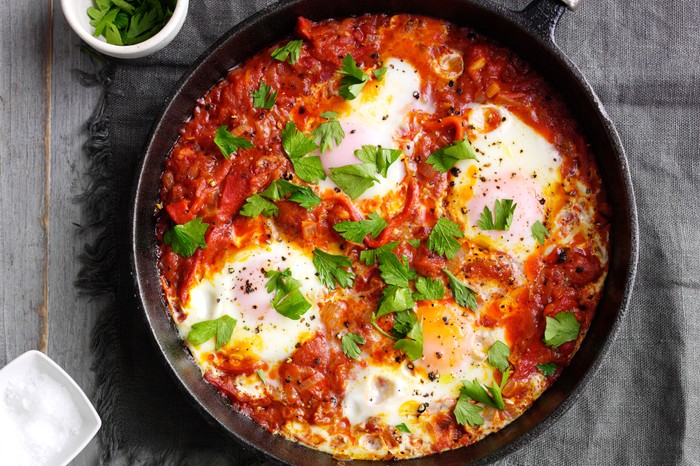
Tinned chopped tomatoes are a must-have cupboard staple to use in a whole range of different meals, from pasta sauces, curries and soups to shakshuka or homemade chilli.
“They provide vitamin C, potassium and also lycopene, an antioxidant associated with heart health. Interestingly, cooking tomatoes makes their lycopene more available for the body to absorb, particularly when eaten with a little olive oil."
For a richer tomato flavour, passata – another sub-£1 food – is another useful cupboard essential.
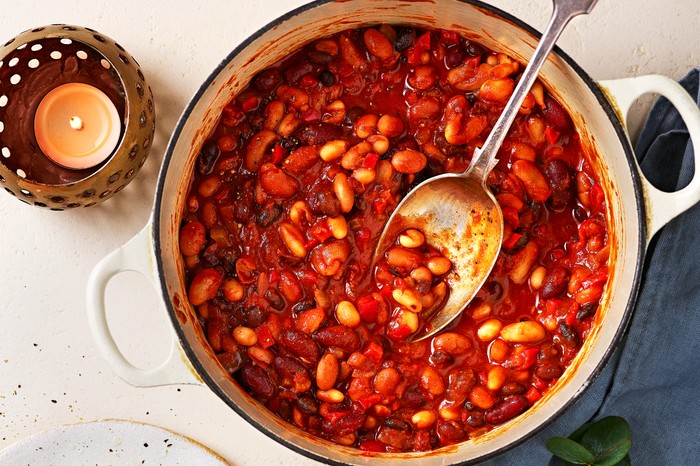
Tins of beans
A can usually costs under 50p, and beans (including kidney, butter, cannellini, pinto and mixed beans) have consistently been found to be among the healthiest foods you can eat.
It would explain why they’re one of the key foods eaten in all of the world’s Blue Zones, which are regions such as Okinawa in Japan, where people live the longest.
“Beans are rich in fibre, plant protein, folate, potassium and beneficial plant compounds, including polyphenols. Their fibre helps support gut health, cholesterol levels and blood sugar regulation, while their potassium contributes to healthy blood pressure. They're also naturally low in saturated fat and can be a nutritious alternative to red and processed meat,” says Nichola.
“Plus, the combination of protein and fibre can help keep you feeling fuller for longer, while supporting digestive health.”
Add beans to chilli, soups, stews or salads, or mash them into homemade bean burgers. They’re also a great way to bulk out meat-based dishes, making meals go further for less money – check out our healthy bean recipes for ideas.
Sardines
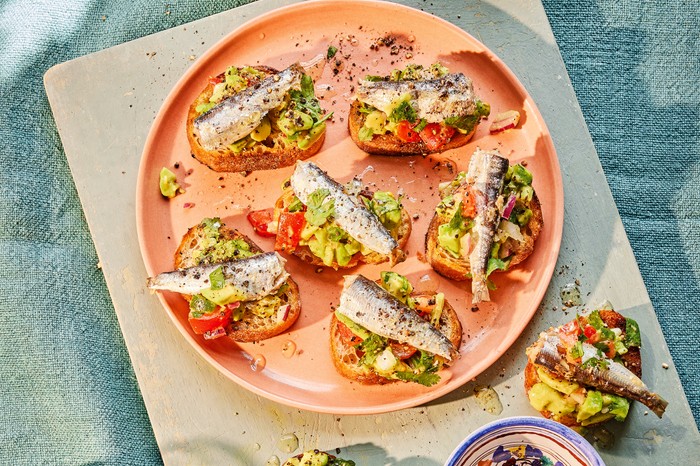
As protein sources go, sardines, which can cost around 70p a tin, are one of the cheapest. They're also a great alternative to more expensive oily fish such as salmon.
Plus, Nichola describes them as a nutritional powerhouse. “They’re rich in omega-3 fatty acids, which support heart health, as well as vitamin D. If you eat the soft bones, they’re also an excellent source of calcium for bone health.”
During the winter months, when the sun – our main source of vitamin D – is scarce, we need to make sure we’re getting enough to support your bones, teeth, muscles and immune health. A supplement is recommended by the UK government, however you can also bolster this with food, such as oily fish.
“Try sardines mashed onto wholemeal toast with lemon and black pepper, or stir through pasta with tomatoes,” says Nichola.
Ad
More nutrition guides
6 nutrients you're probably not getting enough of – and the foods that can fix it
The 6 principles of no-nonsense nutrition
Why do I crave sugar every afternoon? What your body is actually asking for
6 foods you think are healthy – but nutritionists wouldn't eat every day
The midlife health mistakes a women's health expert sees again and again
9 nutritionist-approved tips to boost nutrients when you cook
Think you need more protein? These are the foods a nutritionist actually recommends
Authors

Lucy Gornall
Comments, questions and tips
Choose the type of message you'd like to post
Choose the type of message you'd like to post
CommentQuestionTip
Ad
Ad
Loading...
Ad
Loading...
Want to see this content?
This page contains olivemagazine content provided by Google reCAPTCHA. We ask for your permission before anything is loaded, as Google reCAPTCHA may use cookies and other technologies. To view this content, choose 'Accept and continue' to allow Google reCAPTCHA and its required purposes.
Accept and continue